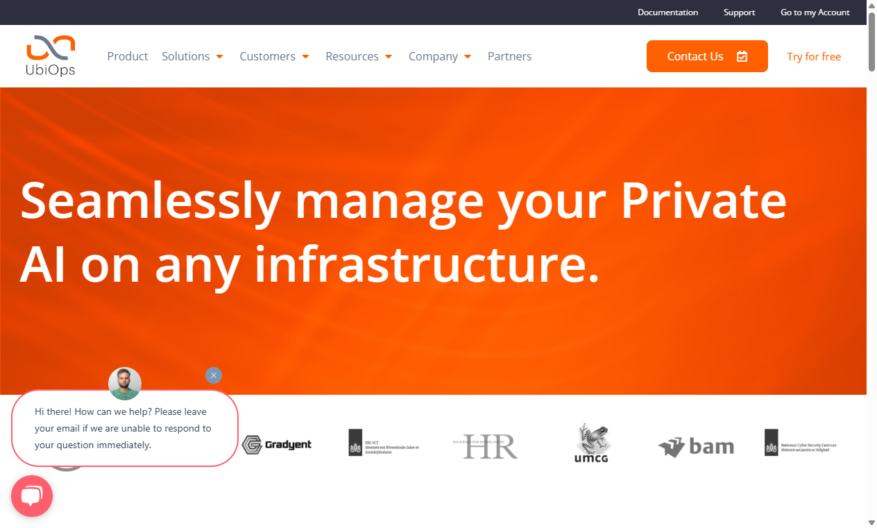
UbiOps is an advanced AI infrastructure platform designed to empower teams in rapidly deploying their AI and machine learning workloads as secure and reliable microservices. By seamlessly integrating into existing data science workbenches, UbiOps eliminates the complexities associated with managing costly cloud infrastructure, allowing users to...
UbiOps is an advanced AI infrastructure platform designed to empower teams in rapidly deploying their AI and machine learning workloads as secure and reliable microservices. By seamlessly integrating into existing data science workbenches, UbiOps eliminates the complexities associated with managing costly cloud infrastructure, allowing users to focus on innovation. Its core features include fast deployment of production-grade AI and ML workloads, scalable model serving, and orchestration capabilities tailored for advanced AI products. UbiOps caters to a variety of use cases, from assisting startups in developing AI products to enabling large organizations to deliver dependable AI services without the burden of infrastructure concerns. The platform prioritizes security, ensuring sensitive data is well protected. With a user-friendly interface and robust support system, UbiOps streamlines the process of launching AI-driven solutions. For those seeking a hassle-free approach to AI implementation, UbiOps stands out as a versatile and dependable choice.
Automated machine learning model development for rapid deployment.
Centralized model management and tracking for versioning and auditing.
Real-time data ingestion and processing for timely predictions.
Scalable and secure infrastructure for high-performance computing.
Collaborative workspace for data scientists and engineers to work together.
Automated model deployment and integration with existing infrastructure.
Real-time model performance monitoring and alerting for optimal results.
Explainable AI and model transparency for trusted decision-making.
You Got Questions,We Got Answers
What is UbiOps?
UbiOps is a cloud-based platform designed to help data scientists and developers deploy, manage, and scale machine learning models and applications effortlessly.
Who can benefit from using UbiOps?
UbiOps is ideal for data scientists, machine learning engineers, and developers who want to deploy and manage models without worrying about infrastructure management.
How does UbiOps deploy machine learning models?
UbiOps allows users to easily deploy models via APIs, integrate them into existing applications, and scale them automatically based on demand.
Can UbiOps integrate with other platforms?
UbiOps supports seamless integrations with popular cloud services like AWS, Google Cloud, and Azure, as well as data platforms and applications via APIs.
Does UbiOps support multiple programming languages?
UbiOps supports a variety of programming languages and frameworks, including Python, R, and TensorFlow, making it versatile for different ML workflows.
Does UbiOps provide monitoring and analytics?
UbiOps includes built-in monitoring and analytics features that provide insights into model performance, usage, and operational metrics to optimize results.
Use cases
Healthcare
Predictive analytics for disease diagnosis and personalized medicine, leveraging machine learning models to analyze genomic data and medical imaging, enabling healthcare providers to make data-driven decisions
Finance
Real-time risk assessment and credit scoring, utilizing machine learning algorithms to analyze large datasets, enabling financial institutions to make informed lending decisions and minimize risk
Retail
Personalized customer experiences and product recommendations, using machine learning models to analyze customer behavior and preferences, enabling retailers to increase sales and improve supply chain efficiency
Manufacturing
Predictive maintenance and quality control, leveraging machine learning algorithms to analyze sensor data and optimize production processes, enabling manufacturers to reduce downtime and improve product quality
Marketing
Targeted advertising and customer segmentation, using machine learning models to analyze customer behavior and preferences, enabling marketers to create personalized campaigns and improve ROI
Education
Adaptive learning systems and personalized education plans, leveraging machine learning algorithms to analyze student performance and learning behavior, enabling educators to create tailored curricula and improve student success
Traffic and Engagement
Mar 2026 - May 2026
World wide
Monthly visitors (May)
11.2k
Page/Visit
1.5
Visit Duration
9s
Bounce Rate
0.5%
Pricing
Paid
Contact Sales
UbiOps Embeds
Copied!
Let your community know you're live on Skillcurb! Just drop a badge on your site’s homepage with just a few clicks. Showcasing the badge helps increase your visibility and connects you with users actively exploring top AI tools.