HapticLabs offers a toolkit for creating and prototyping tactile feedback experiences without coding. The platform includes a hardware devkit and studio app, allowing developers to design and test haptic interactions for various applications. It simplifies the integration of haptic feedback into products like apps and devices,...
HapticLabs offers a toolkit for creating and prototyping tactile feedback experiences without coding. The platform includes a hardware devkit and studio app, allowing developers to design and test haptic interactions for various applications. It simplifies the integration of haptic feedback into products like apps and devices, providing an innovative way to enhance user experiences with touch-based sensations, making it ideal for tech developers and designers.
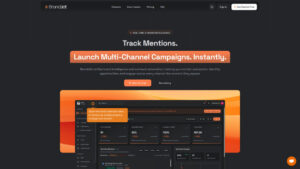
AI automation for marketing teams and brand operations.
Centralize campaigns, assets, and workflows in one place.
Generate content for email, social, and landing pages.
Collaborate with teams using built-in chat and tasks.
Automate approvals, asset delivery, and campaign rollout.
Save time and reduce tool fragmentation.
You Got Questions,We Got Answers
What is HapticLabs?
HapticLabs offers a toolkit for creating and prototyping tactile feedback experiences without coding.
What tools does HapticLabs provide?
HapticLabs It includes a hardware devkit and studio app for designing and testing haptic interactions.
How does HapticLabs simplify haptic feedback integration?
HapticLabs It simplifies the process of integrating haptic feedback into apps and devices, enhancing user experiences.
Who is HapticLabs suitable for?
HapticLabs It is ideal for tech developers and designers looking to innovate with touch-based sensations.
What is the goal of HapticLabs?
HapticLabs The goal is to help developers create advanced tactile experiences to improve user interaction.
Does HapticLabs require coding skills?
HapticLabs No, the platform is designed to enable developers to create haptic feedback experiences without coding skills.
Use cases
Marketing
Marketers can use HapticLabs to design unique haptic cues for notifications, enhancing user engagement and brand recognition. For example, implementing distinct vibration patterns for promotional alerts can make them more noticeable and memorable.
Education
Educational platforms can integrate haptic feedback to reinforce learning experiences, such as providing tactile responses during interactive quizzes or simulations, aiding in skill development and retention
Finance
Financial applications can utilize haptic feedback to alert users about important transactions or account changes, offering a non-intrusive way to keep users informed
Retail
Retailers can enhance mobile shopping experiences by incorporating haptic feedback for actions like adding items to the cart or completing a purchase, providing users with a more immersive and satisfying interaction
Manufacturing
Manufacturing apps can employ haptic feedback to notify workers about equipment status changes or safety alerts, ensuring critical information is conveyed effectively in noisy environments.
Healthcare
Healthcare applications can use haptic feedback to remind patients about medication schedules or appointments, offering a subtle yet effective way to deliver reminders.
Traffic and Engagement
Jan 2026 - Mar 2026
World wide
Monthly visitors (March)
2.2k
Page/Visit
1.1
Visit Duration
1s
Bounce Rate
0.4
Pricing
Freemium
$450
Hapticlabs Embeds
Copied!
Let your community know you're live on Skillcurb! Just drop a badge on your site’s homepage with just a few clicks. Showcasing the badge helps increase your visibility and connects you with users actively exploring top AI tools.